
A low-carb diet can get many people off some of their medication, mainly insulin, diabetes pills and blood pressure drugs. The 2026 guideline from the Society of Metabolic Health Practitioners says some of those doses must come down on the first day, before any weight is lost. That is why the cuts belong to a prescriber.
Most deprescribing is slow. A drug is reviewed, a taper is planned, and the dose steps down over weeks. Low-carb eating flips that order. The food changes on Monday, and by Wednesday the old doses can be too strong. The medicine list has to move first, or the diet itself becomes the danger.
Which medicines come down when carbs come down?
The guideline, published October 2, 2026, gives a drug-by-drug summary. It was adapted from earlier work by Dr. Mark Cucuzzella and colleagues. Here it is in plain words.
| Medicine | What the guideline says | Why |
|---|---|---|
| Insulin | Cut by about half right away. Stop mealtime insulin on a very low-carb diet. | Less carbohydrate means less insulin is needed. Lows are the risk. |
| Sulfonylureas and meglitinides | Stop right away. | They can drive blood sugar too low. |
| SGLT2 inhibitors | Stop, or use with caution. The effect lasts up to a week. | They add to fluid loss and need ketone checks. |
| Thiazolidinediones | Usually stop. | The prescriber weighs risks and benefits. |
| Metformin, DPP-4 inhibitors, GLP-1 drugs | Safe to keep. | Listed as safe to use. |
| Blood pressure drugs | Review at the start, then every 2 to 4 weeks. | Salt and water loss lowers blood pressure. |
Diuretics and other drugs that move potassium need extra monitoring. So does anyone on many medicines at once. The guideline puts polypharmacy on its list of situations that call for specialist supervision.
Why does the dose have to drop on day one?
Because the body responds in hours, not months. When carbs drop, blood sugar drops and insulin falls with it. Lower insulin tells the kidneys to release sodium and water. Blood pressure falls. A pill that was holding pressure down is now pushing it too low.
Insulin is the sharpest edge. The guideline says the first two to three days carry the greatest risk of a severe low. In an older adult, a low or a dizzy stand-up is how a fall starts. Our page on blood pressure drugs, orthostatic hypotension and falls covers that chain.
Every dose change is made by the prescriber, never by the patient or family alone. That is most true for insulin, sulfonylureas, SGLT2 inhibitors and blood pressure drugs.
Dr. Padda knows the other side of this from the inside. For years he told patients with prediabetes that their A1C was “not too bad.” The care he had been trained to give treated each reading with a pill. Nothing treated the insulin resistance underneath, so the list kept growing.
That is the engine behind many long medication lists. High insulin and the metabolic inflammation it feeds push up sugar, blood pressure and triglycerides together. A food supply full of cheap starch keeps insulin high. Then a care system paid per visit and per prescription answers each number with a drug. Carbohydrate reduction works on the first link of that chain, which is why several drugs can come off at once.
Can I stop insulin completely?
Many adults with type 2 diabetes can. The guideline says adults with stable blood sugar can often stop insulin once they need less than 10 units a day. A blood test called C-peptide confirms the body still makes its own insulin.
Some people labeled type 2 actually make too little insulin. The guideline lists warning signs to check first:
- diagnosis at a younger age, or needing insulin within five years
- still needing insulin after weight loss or weight-loss surgery
- blood sugar that swings widely, or a past episode of ketoacidosis
- not overweight at diagnosis, or normal triglycerides with high HDL
- a personal or family history of autoimmune disease, or pancreatitis
Any of these means the insulin may need to stay.
Can medications kick you out of ketosis?
Some can. The guideline lists drugs that may raise blood sugar or interfere with ketosis. They include corticosteroids, statins, beta blockers, thiazide diuretics, antipsychotics, lactulose and inulin. A second group may block fat breakdown: niacin, beta blockers, fluoxetine, and some antipsychotics such as olanzapine and quetiapine.
None of this is a reason to stop a drug on your own. It is a reason for the prescriber to look at the whole list together. A few drugs need blood levels checked when the diet changes: lithium, valproic acid and warfarin. People with bipolar disorder or other mental health diagnoses may do better with a gradual start, because mood can shift during the change. The guideline also notes that reflux, joint pain and migraine can improve as metabolic health improves, so those drugs deserve a second look later.
How do you track it at home?
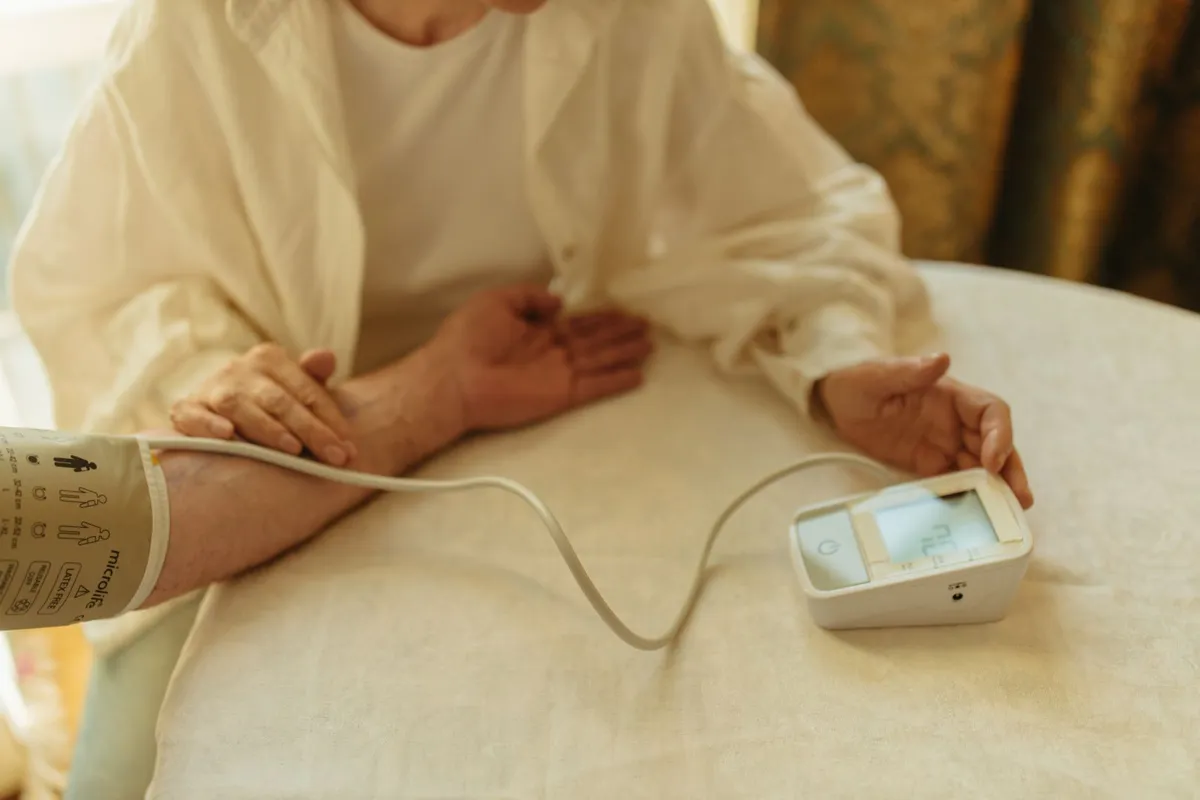
With a cuff, a meter and a notebook. The guideline asks patients to check blood pressure every day. People with diabetes also check blood sugar daily, including some readings one to two hours after a meal. A continuous glucose monitor is not required. One study found it no better than fingersticks.
Write every reading down, with the date and any symptom. Light-headedness, cramps and headache are common in the first two to three days and can last two to four weeks. Most come from salt and water loss. The guideline suggests 2 to 3 grams of sodium a day for most people, plus potassium-rich greens and vegetables. Family members can help keep the log, and the guideline encourages including them. Bring it to every review. It is how the prescriber decides which dose comes down next.
How much weight does a consensus guideline carry?
It is expert agreement, not a trial. Twenty-six of 28 participants voted in the final round, and all 18 statements cleared a 70% bar. The literature review was not systematic, and the evidence was not formally graded. Several authors have paid ties to the society or its conference business.
The core claim, though, is already mainstream. The American Diabetes Association’s 2025 Standards of Care say low-carb eating reduces A1C and the need for glucose-lowering medication. Dr. Padda holds this society’s Metabolic Health Practitioner credential. He was not an author or panelist.
A shorter list, on purpose
A medication list usually grows by accident, one reading at a time. Carbohydrate reduction lets it shrink by design. Lower insulin first. Then the drugs that were chasing high sugar and high pressure come off in order, with a plan for each.
Ask the prescriber three questions before the first low-carb meal. Which doses change today? What readings should I log? When is the next review? Ask about fasting insulin too. Dr. Padda treats a fasting insulin above 10 µIU/mL as high risk, because insulin rises years before blood sugar does.
Frequently asked questions
What are the symptoms of carbohydrate withdrawal?
Headache, tiredness, light-headedness, poor focus, mood changes, cravings, muscle cramps and constipation are common. They usually start within two to three days and pass in a few days, sometimes two to four weeks. Most come from salt and water loss, so enough sodium and at least 2 liters of fluid a day help.
Do I have to stop metformin on a low-carb diet?
No. The guideline lists metformin as safe to keep, along with DPP-4 inhibitors and GLP-1 drugs. Whether you still need it later is a question for your prescriber.
Is a low-carb diet safe with kidney disease?
It can be, with a doctor’s plan. The guideline aims for about 0.8 grams of protein per kilogram of body weight a day in kidney disease. Magnesium for cramps is not used in kidney disease without the doctor’s say, and the whole list needs review.
References
- Rice SM, Buchanan LA, Calkins MW, Cucuzzella MT, Cywes R, Devine PL, Kalamian M, Kalayjian T, Reynolds DB, Westman EC. A Delphi consensus-based guideline for the implementation of therapeutic carbohydrate reduction in metabolic disorders. Journal of Metabolic Health. 2026;9(1):a152. DOI 10.4102/jmh.v9i1.152.
Written and medically reviewed by Dr. Gurpreet Singh Padda, MD, MBA, MHP, founder and medical director of DWARAA. Last reviewed . This page is educational. DWARAA does not prescribe, deprescribe, diagnose or treat.